OVERVIEW
It was apparent
early on that adding a second story to this home was the best
design option to accomplish our client's objective of adding a
master suite to this home. Built in the early 1900's, adding a
second story posed some design challenges because of the weak
sandstone foundation. Design parameters such as the narrow lot,
small rear yard and zoning restrictions made adding livable space
in the attic the most feasible option.
THE STORY
Built in 1911 by the current owner's grandfather, the home is
a masonry structure on a sandstone foundation. It originally consisted
of a fully excavated but unfinished basement, living space on
the main level (living/dining, kitchen, one bath, and two bedrooms),
and an unfinished attic space.
The client
wished to add a master suite in the attic and reconfigure the
public space on the main floor. He also wanted to add a deck onto
the rear of the home.
It was important
to the client to maintain the original character of the house
and not change the basic look of the front of the home. The kitchen
had already been recently remodeled so the design had to work
around and tie into the current kitchen.
The house
sits on a narrow, urban lot on Highland Drive and was built to
the front and both side setbacks of the lot. Highland Drive is
a busy commuter street running through an older neighborhood.
The lots are small and the homes built close together. To combat
the intrusion of the busy street, it was important that the cohesive
design of the houses be maintained.
THE SOLUTION

An open railing on one side allows space to flow, contributing
to the feel of openness. |
|
The sandstone
foundation with un-reinforced masonry walls made adding a second
story challenging. The first design was conservative, adding a
small master suite in the center of the existing attic. Eventually
the design expanded to include a master bedroom, walk-in closet,
bathroom, office, loft and large deck on the upper floor.
Contrary to
the current trend of opening up interior spaces, the large open
living/dining area that originally spanned the width of the house
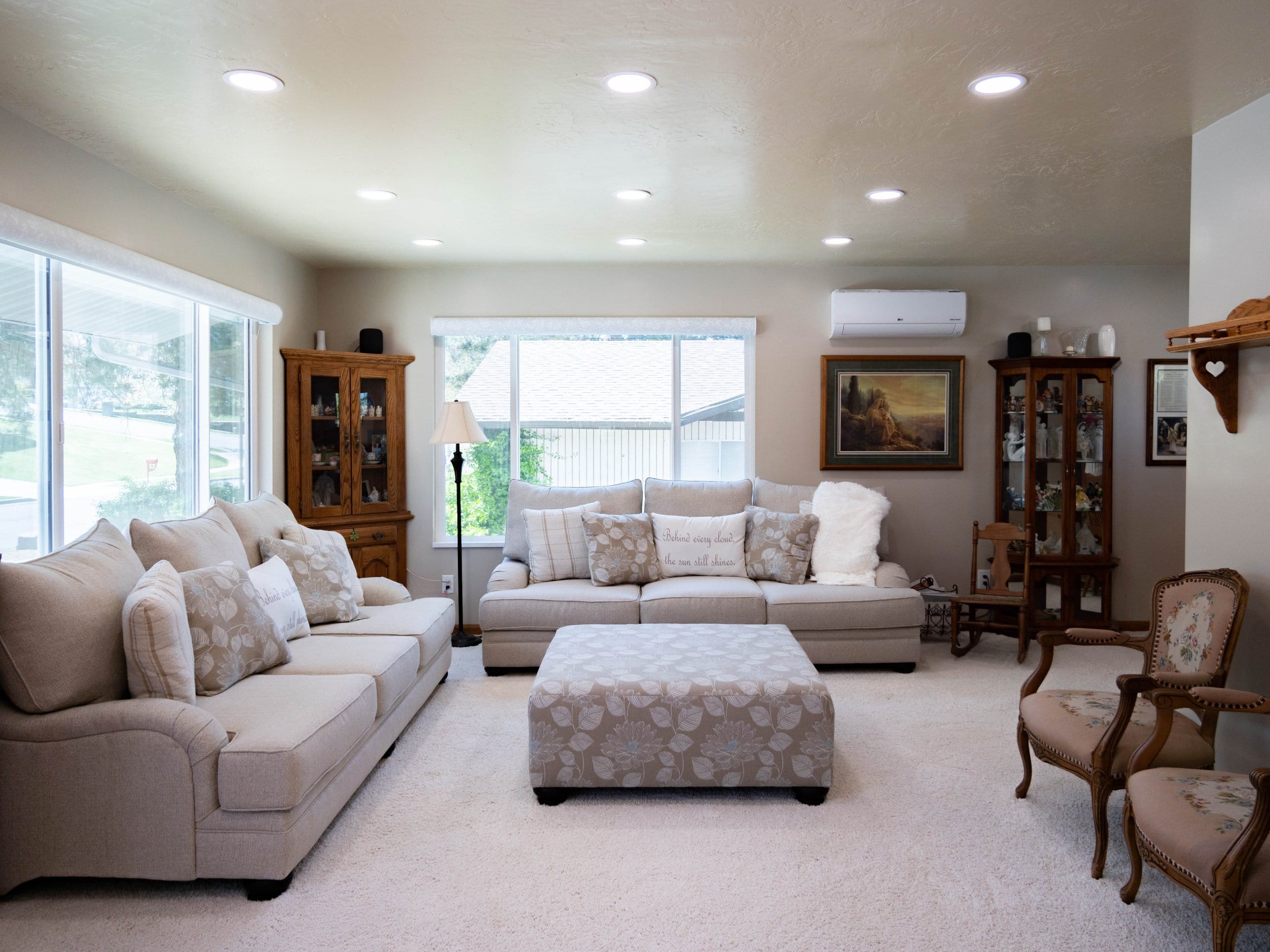
was divided into four distinct areas-an entry, a living room,
a small library, and a dining room. This design accomodated increased
functionality and privacy of each space but through the use of
large openings between spaces, the home retains an open feel.
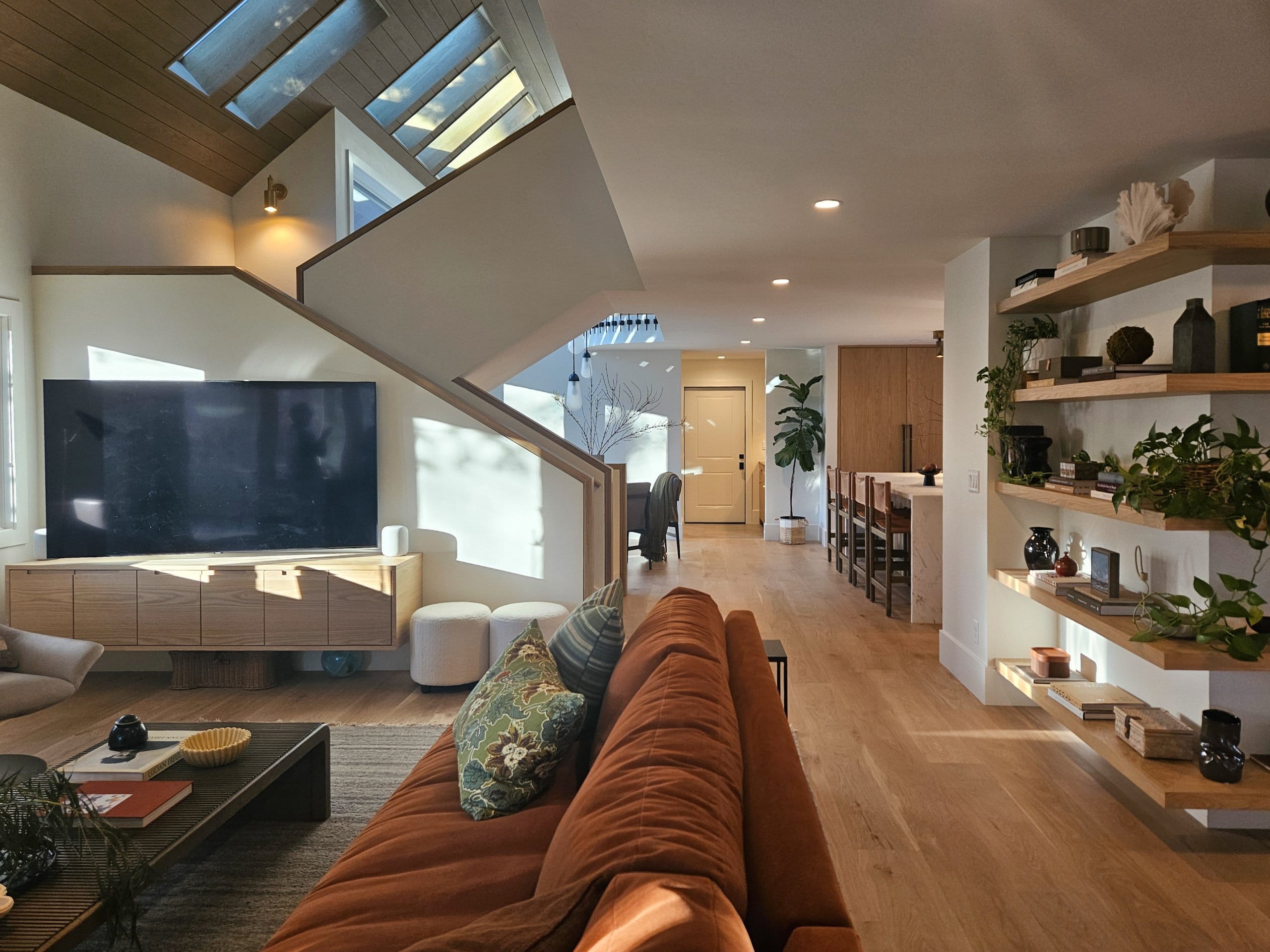
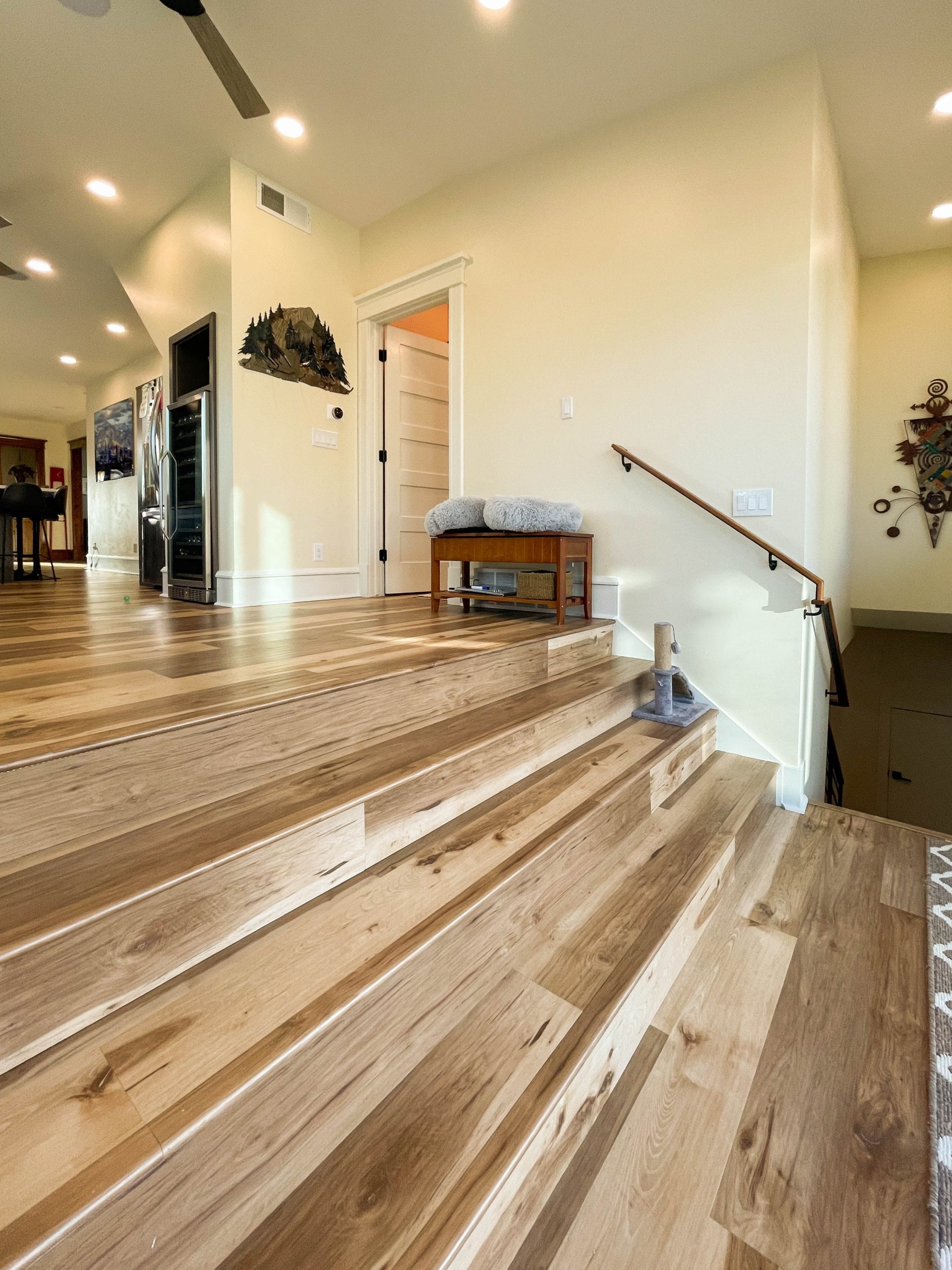
A new stair to connect the main level to the new upper level was
added in the center of the home over the existing stair to the
basement. An open railing on one side allows space to flow between
the smaller defined areas of the main floor as well as between
the main and upper levels, contributing to the feel of openness.
The upper
level can function independently as a large master retreat. The
loft, office area, and deck-situated at the top of the open stair
can be accessed by family or friends to expand the area available
for daily living or entertainment.

The resulting variety of ceiling height and abundance
of windows gives both light and interest to the interior
spaces as well. |
|
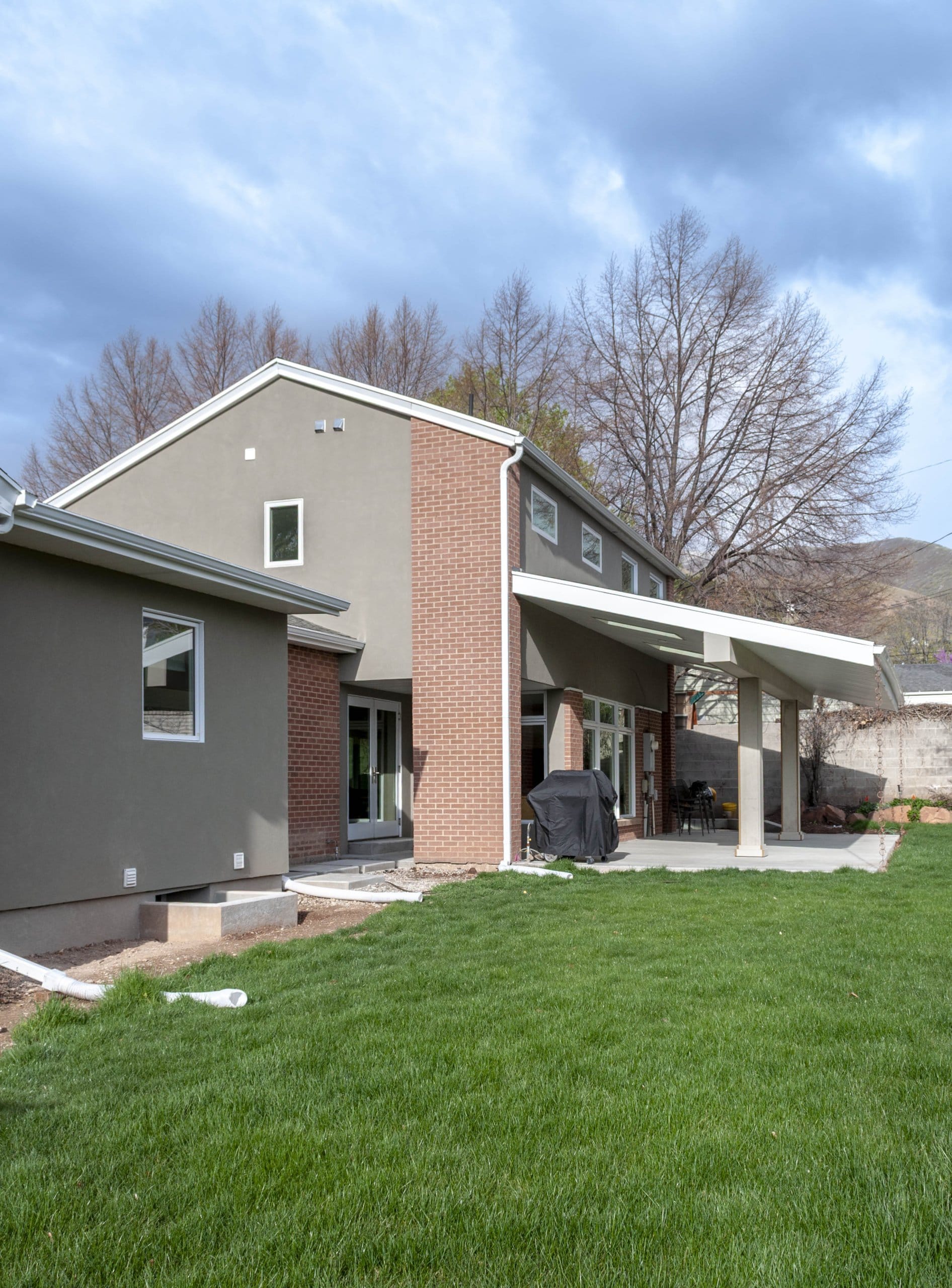
By tucking
the second level into the roof space and adding multiple small
dormers, the original character and scale of both the home and
the neighborhood were respected. The resulting variety of ceiling
height and abundance of windows gives both light and interest
to the interior spaces as well.
The design
utilizes every square foot of a relatively small site. It also
takes advantage of spaces that relate to eachother and serve dual
purposes minimizing the square footage needed in the home.